SEO audit sample
An actual audit prepared for Shipaa, a US logistics company with no in-house SEO team. The objective was to show, step by step, what had to change to rank on SERPs and grow organic traffic.
How the report is structured
Four parts, in the order the work has to happen — each section ends with concrete fixes rather than observations.
- Technical SEO — infrastructure review: speed, mobile-friendliness, usability. Multiple technical and design errors were found and had to be fixed first.
- Content overview — quality, relevance and organisation of existing content against what users and search engines expect.
- Link building — backlink profile by quantity, quality and relevance, compared against the primary competitors.
- Custom link-building strategy — a tailored plan for acquiring the links that actually move authority and rankings.
Technical SEO
Oversized images were the single biggest speed problem — one image weighed 3.3 MB, and even the favicon came in at 180 KB. The report lists every image worth compressing in an appendix.
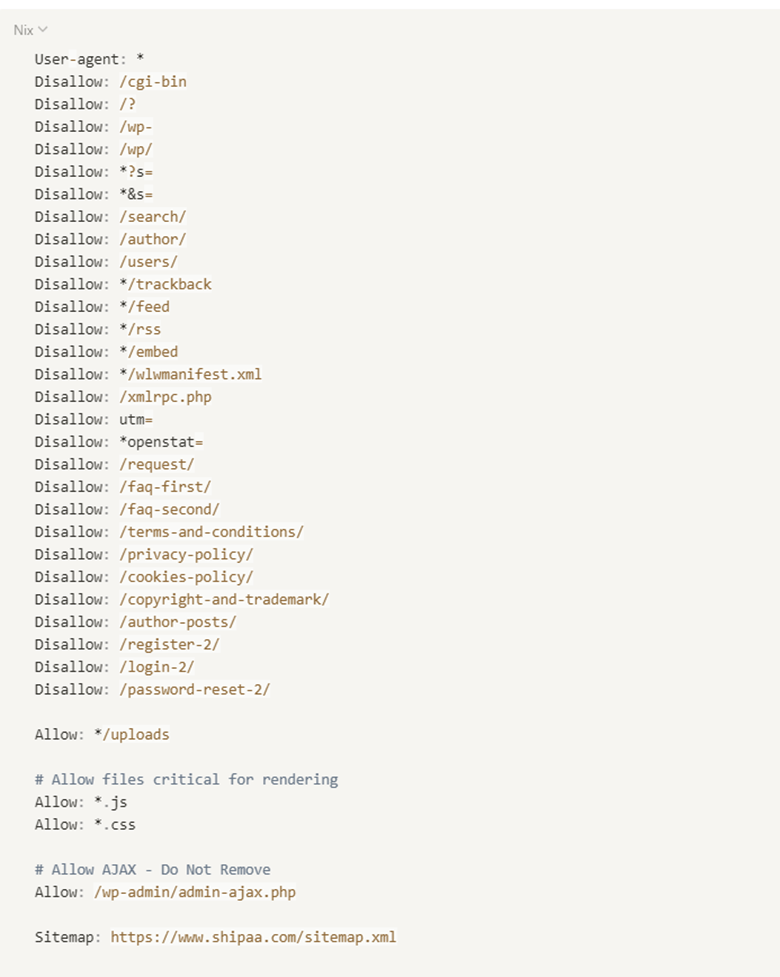
Paths in robots.txt were set incorrectly, which is why pages the client was trying to exclude ended up indexed anyway.
Incorrect microdata leads to misleading search results, lower click-through and reduced trust. On the main page an FAQ block was defined through markup but never filled in and sat out of place — markup should only be used where its use is justified.
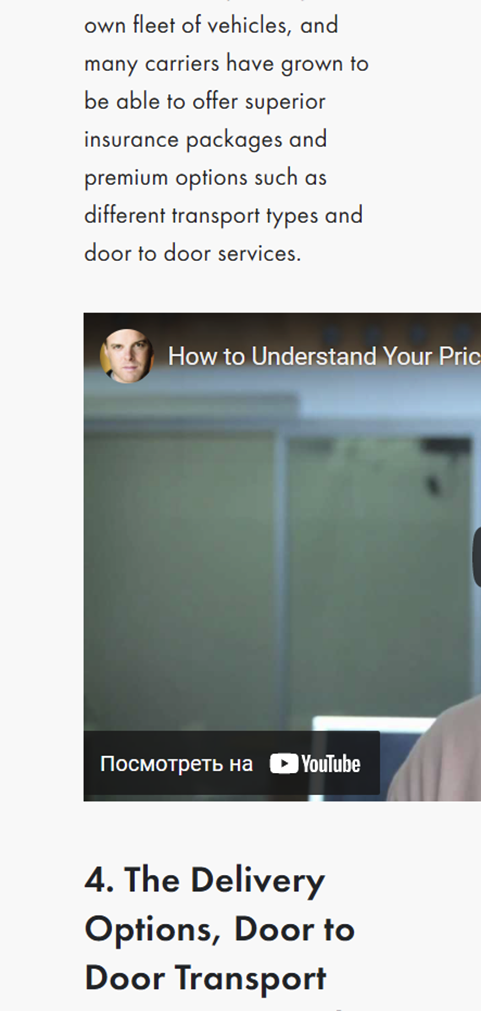
Several pages failed mobile usability: an embedded YouTube video didn't fit its page, and a button overlapped the text when the label wrapped to three lines. Both hurt bounce rate and rankings.

Key takeaway: with images compressed and unnecessary scripts removed, page speed stops being a problem at all.
Content & on-page SEO
A relatively recent page was pulling traffic simply because it latched onto a near-target topic. On this site the calculator and that one page collected the lion's share of traffic despite modest link popularity — which is exactly why building an automatic calculator or quota generator was recommended.
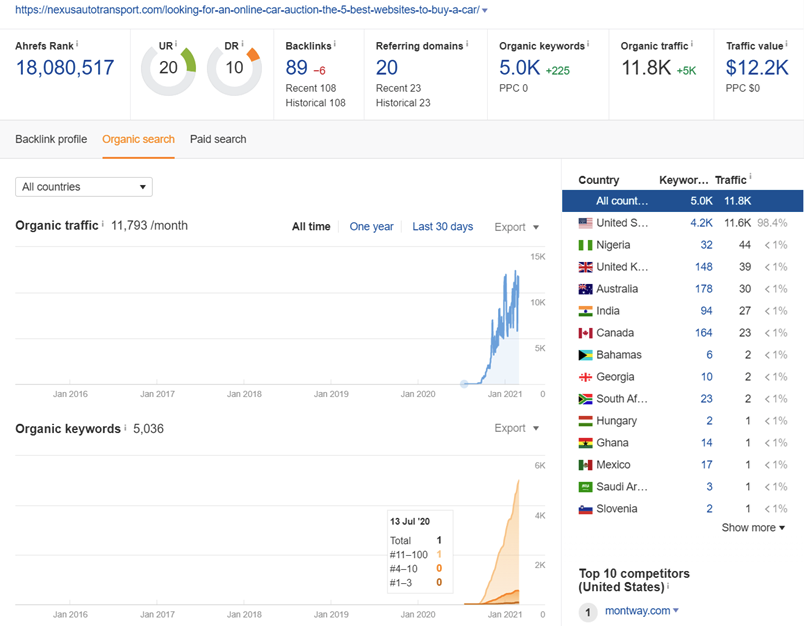
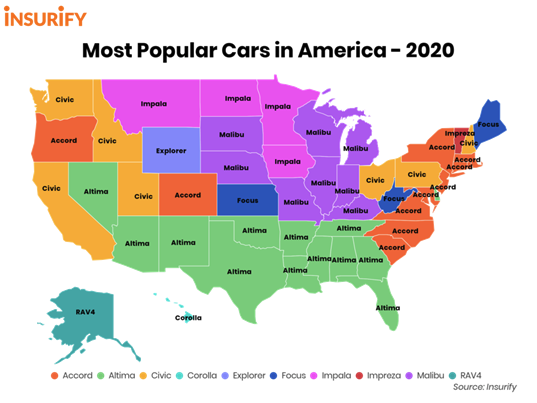
Author information at the bottom of each article, plus more statistical data integrated into the text — or spun out into standalone data articles — to make the content harder to dismiss.

Content that moves in search has to be refreshed: newer information, charts, tables, infographics, price dynamics by year. For queries like “how much does it cost to ship a car” that means covering the visitor's need in full.
The method: take several competing pages, parse their text against yours, and compare the number of main keywords and their frequency, words per page, and TF-IDF indicators.
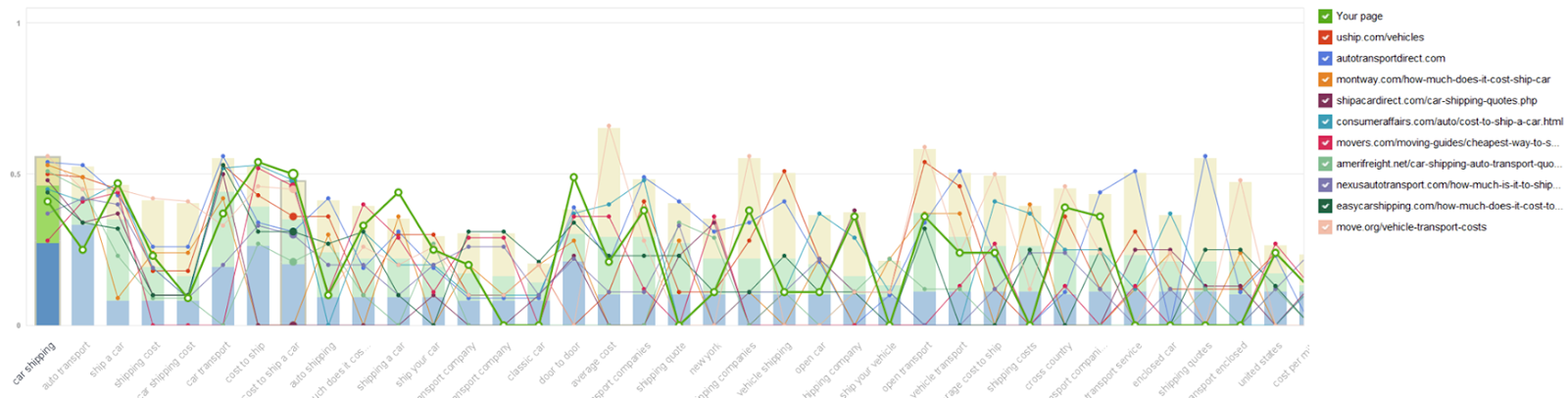
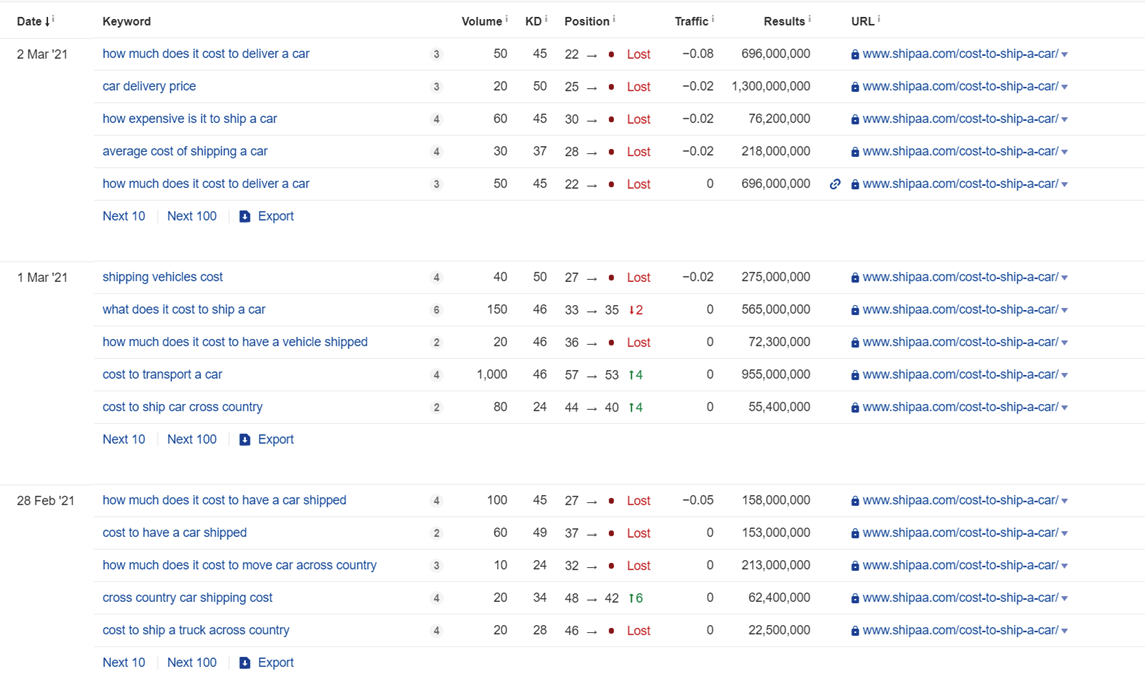
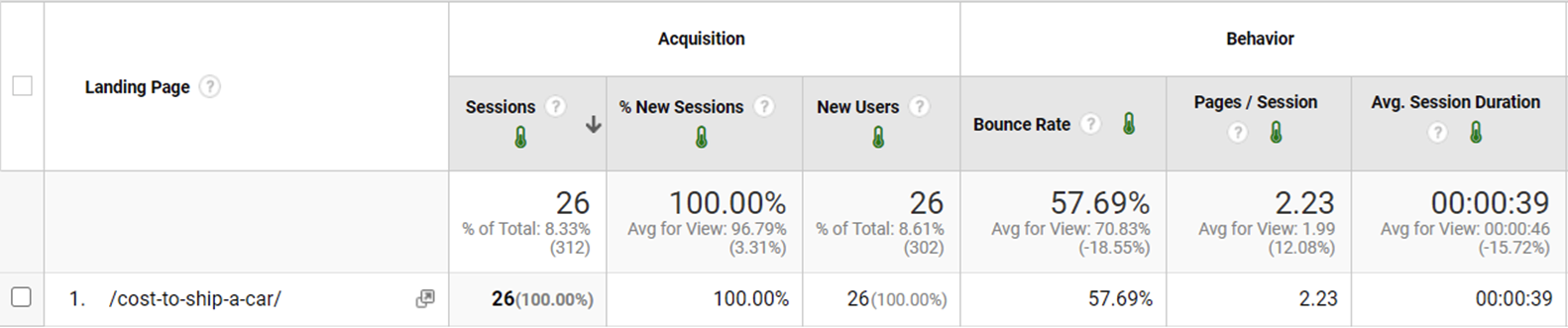
What the numbers showed: the page looked fine but was losing ranking. Average time on page was 39 seconds against a 12-minute read — a sign the page didn't match what the query wanted.
The query “how much does it cost to ship a car?” is informational: the user wants an estimate, not a company. The top results answer with tips, tables, comparisons and specific numbers, while this article read like a personal story. Cold, hard facts win that SERP.
Link building
With technical issues fixed and content in place, the site was ready for links. The average age of top competitors is around 13 years, so newer domains have to build a natural-looking profile deliberately.
Sources worth using
- Niche sites — anything directly involved in car sales and transport.
- Directories — reputable, industry-specific listings for visibility and credibility.
- Topic blogs — related blogs that build both links and authority.
- Business review sites — an embeddable shipping-rate calculator placed on dealer sites earns a backlink with every embed.
- Company listings — superpages.com, yellowpages.com and similar authoritative registrations.
- Competitors' broken links — find them and offer your content as the replacement.
- .edu links or sponsorships — high trust, high authority.
Link profile dynamic
The safe median for this site was about 140 links per month from 25 domains, with do-follow making up 40–50%, and a monthly increase of 10–20%. A newsworthy event — like launching the calculator — allows a bigger spike without looking suspicious.
Work page by page: each page has its own queries, visibility and competitors. You don't compete with domains, you compete with pages. And avoid changing many things at once — it blurs which change actually worked.

Additional remarks
Aggressive link building would have been risky given weak past performance — new pages had to be created first to give links a reason to appear.
Engagement stimulation works for pages already in the top 20, ideally top 10, and stimulated traffic should stay under 10% of current organic. This is the logic that later became the Search Ranking Lift layer.
Buying under-performing sites from the top 100 gives a topic-related domain with history, ready content and a spare property — often for a modest price.
Informative, research-style articles on strong niche resources with no commercial intent — the kind of material a site is happy to cite as a source.
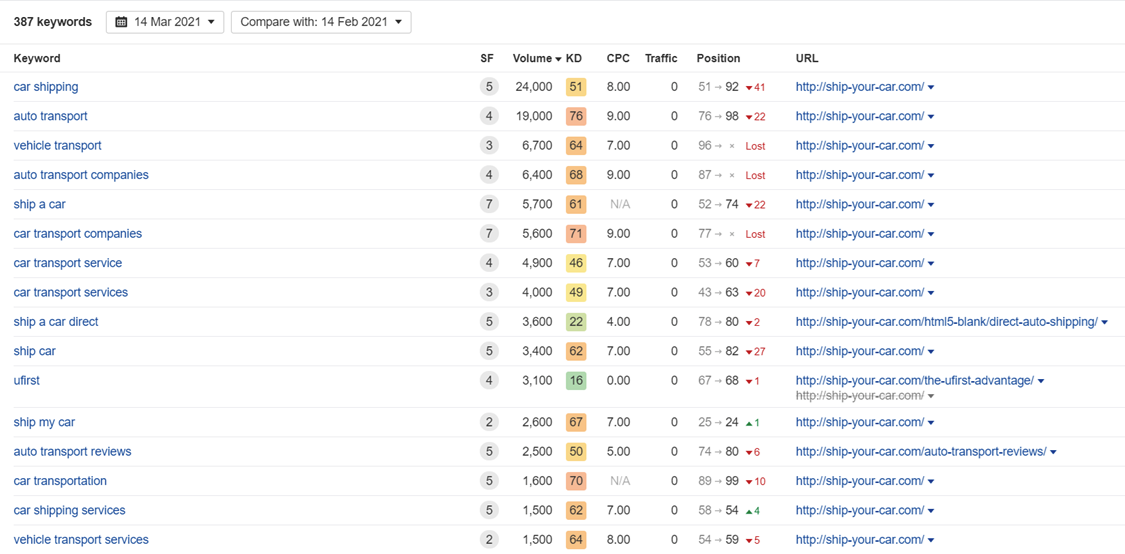
The site showed semantics for around 300 keywords with modest traffic potential. The niche itself clearly has traffic — competitors prove it — so expanding semantics with content and new pages was the projection.

Wrap-up: the top of this niche is held by old domains with legitimate link profiles. Competing means growing a natural-looking link mass and fixing content — both achievable, in that order.