To start with, there’s no “ideal” backlink profile in modern SEO, as it differs on a case-by-case basis. However, there are certain rules of thumb that classify a strong and natural backlink profile, that’s likely to push your SERPs.
In this article we’re going to look at the checklist, that’ll help you to analyze and improve your existing link portfolio.
First off, we’re going to start by mentioning some useful tools that can assist you to monitor the health and performance of your backlinks.
Thereafter, we will touch upon some “common traits” of backlinks.
The next step is to address referring domains and pages, and how can you separate the good, the bad and the ugly.
Last, we will make some additional remarks on things that SEO specialists tend to overlook.
Without further ado , let’s begin!
Useful SEO Tools to Keep in Mind
Tools to Analyze Keyword Performance
Every time you start a link-building project, it’s always a good idea to track your keyword performance.
At Crowdo we use keyword.com for this purpose. This tool shows us whether our links improved the ranking of keywords that we worked with.
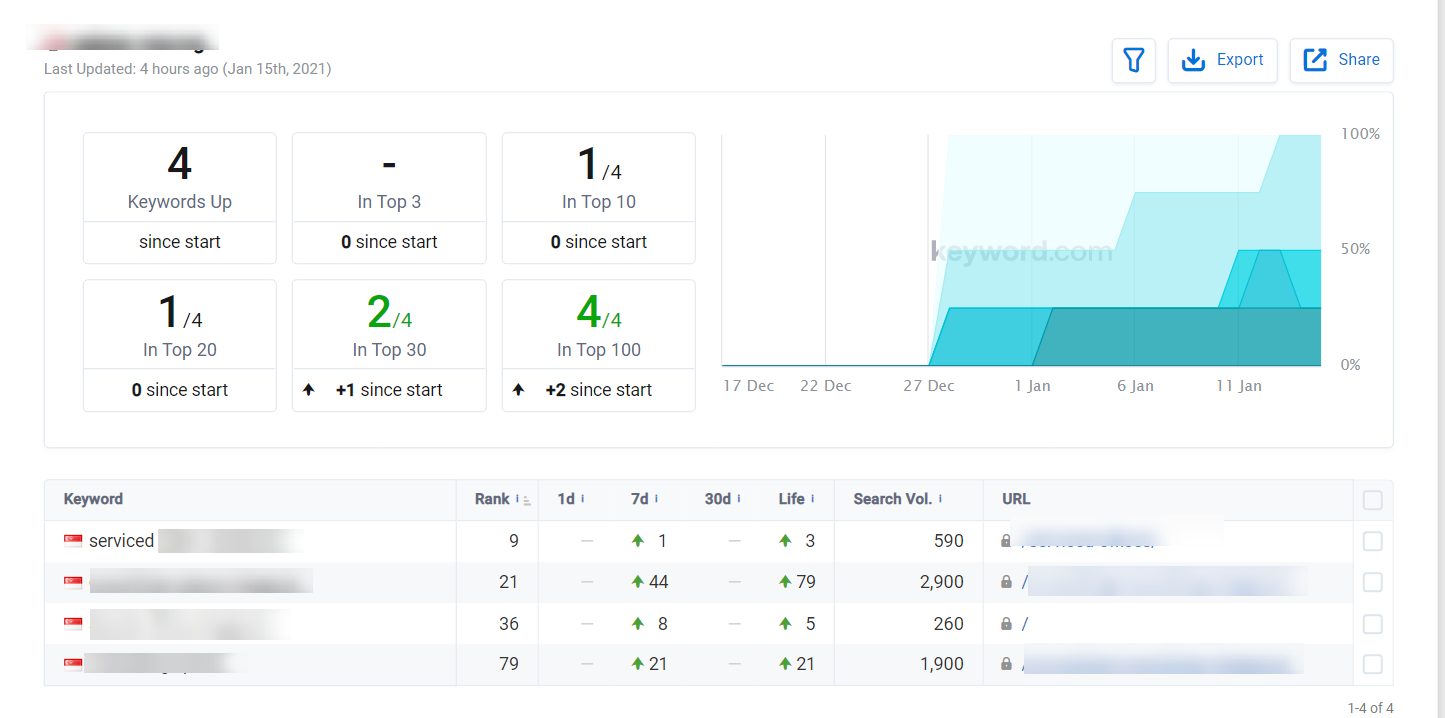
All you need to do is input your website URL and keywords that you’re targeting and start the project.
Thereafter, the tool will monitor your performance for the selected keywords over a certain period of time.
Most of the time, you’ll start seeing a significant difference in a few months after you finish your link-building project.
We prefer working with keyword.com because it’s very convenient to set up multiple projects that we can later share with clients.
Yet, there are numerous other tools on the market that can track your keyword rankings:
- SERPWatcher
- Moz (RankTracker feature)
- SE Ranking (Keyword Rank Tracker feature)
Tools to Analyze and Monitor Your Backlinks
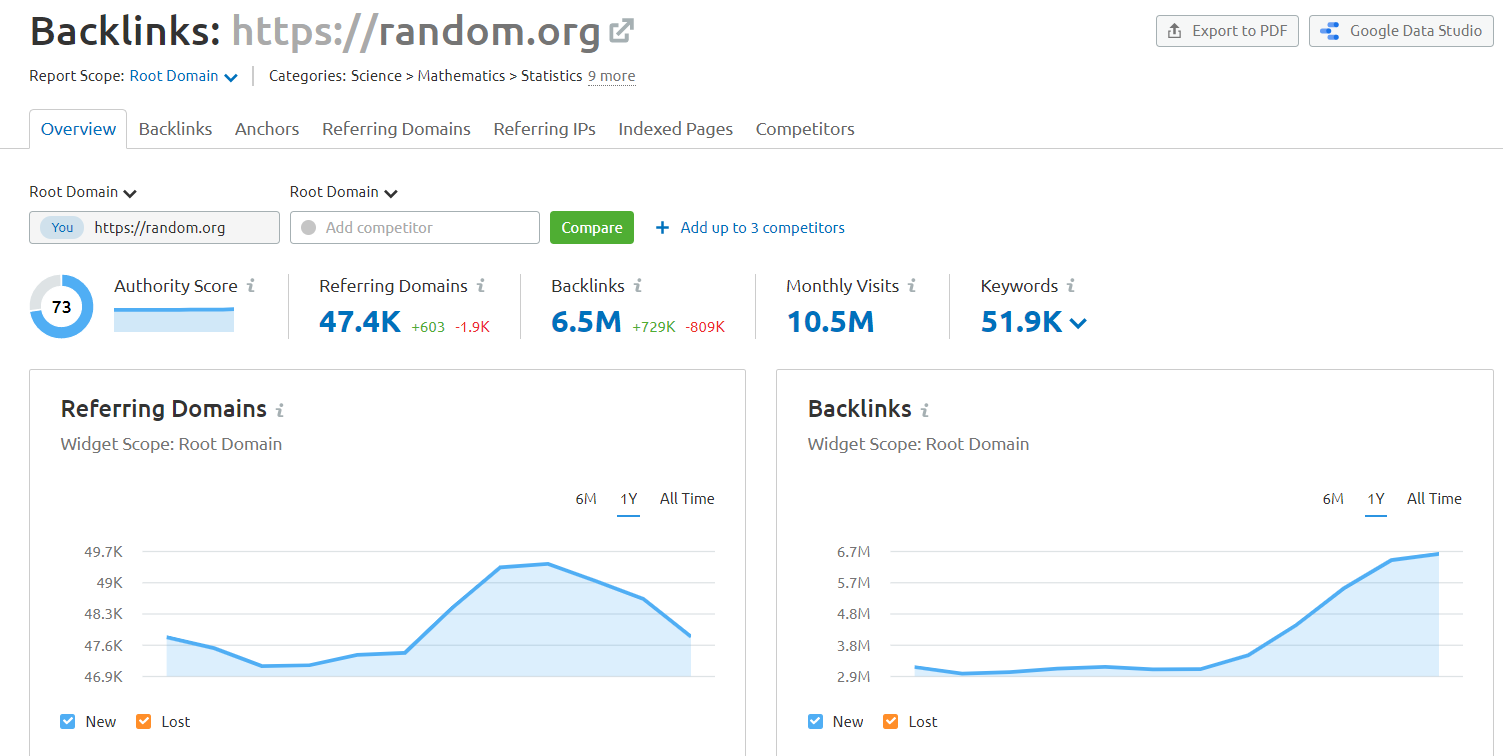
You probably use one already, yet we feel like it’s important to note a couple of good tools for backlink analysis.
This will really benefit the SEO newbies who are here to learn!
- Moz (Link Explorer feature)
- Ahrefs
- Ubersuggest
- Linkody (backlink tracker)
- SEO Clarity
Backlinks: The Good, The Bad and The Ugly
Backlink Attributes & Why They Matter
As you know, backlinks can be dofollow and nofollow.
It used to be common knowledge that dofollow links pass all the ranking juice, whereas nofollow links are ignored by search engines.
This is not exactly the case.
Google considers “nofollow” and other link attributes (we’ll get to that in a bit) as “hints”.
Furthermore, it has been confirmed that certain trusted nofollow links will pass the ranking juice as well.
For example, Wikipedia links are known to be good for SERP even though they’re always nofollow links.
Moreover, a healthy backlink profile will consist of both dofollow and nofollow (preferably around 70% DF and 30% NF).
If all of your backlinks are dofollow, that might look unnatural to the search engine.
Whereas if all of your backlinks are nofollow, they are unlikely to give you a significant boost in rankings.
As mentioned, there are two more link attributes that Google has introduced just recently.
Those are “ugc” and “sponsored” and both of these are also “hints” and variations of nofollow links.
“Ugc” stands for user-generated content, and some blogs will always add their attribute to any links placed by users in their comments.
This attribute does not necessarily devalue the link entirely, yet if your link profile consists entirely of those links – this is a warning sign to search engines that you may have gotten involved in link farming.
In other words, if you keep those links to a healthy minimum, they won’t do any trouble.
However, blog commenting is not a good strategy to build backlinks. Crowd marketing (or forum link building) serves this purpose much better, and very few forums add the “ugc” tag to their links.
Lastly, there are “sponsored” links, that are meant to indicate that a certain link comes from an affiliate or commercial source.
These links are not particularly useful for climbing the SERPs, but some websites will add this attribute to any affiliate links.
Nothing wrong with that, but keep in mind that this kind of links should be kept at a minimal level.
Link Pacing/ Velocity
These terms refer to the speed at which backlinks to your website are placed. As you know, running drip-feed link building campaigns is a smart idea.
Why?
Because if your website receives too many links all of a sudden – that might signal to Google that the way you acquire links is natural.
Surely, the most organic links you can hope for are those left by regular users without asking/ incentivizing them. A.k.a you can’t always control this process.Luckily, in this case you don’t even have to.
Real-life users will not try to benefit your SEO per se and thus will link on different websites at different points in time, using different anchor text.
Yet in this competitive SEO age of 2021, you often find yourself in need of running a targeted link-building campaign that you can control.
If that’s the case, we prepared a short table that will tell you the time horizon to drip-feed the backlinks you build using some common methods.
| Link-building method | Drip-feed schedule |
| Crowd Marketing (forum link building) | 2-3 links per day |
| Outreach guest posting | 2 links per week |
| Niche edits | 2 links per week |
| Social platforms (such as Quora) | 2-3 links per day |
Please note, that there’s no “right and wrong” here, and this table serves as an indication. This shouldn’t be treated as scientific advice.
Link Freshness
It is commonly-agreed in an SEO world, that the link value tends to decline over time.
Link-building is an ongoing process, and once you receive high-quality backlinks – that’s not time to stop. Regardless of where those links come from, they will start losing their value at some point.
Therefore, to sustain your ranking, you should receive solid input of fresh new backlinks every now and then.
Natural and Diverse Anchor Text
Anchor text is one of the factors, taken into account by Google when validating the quality of your backlinks.
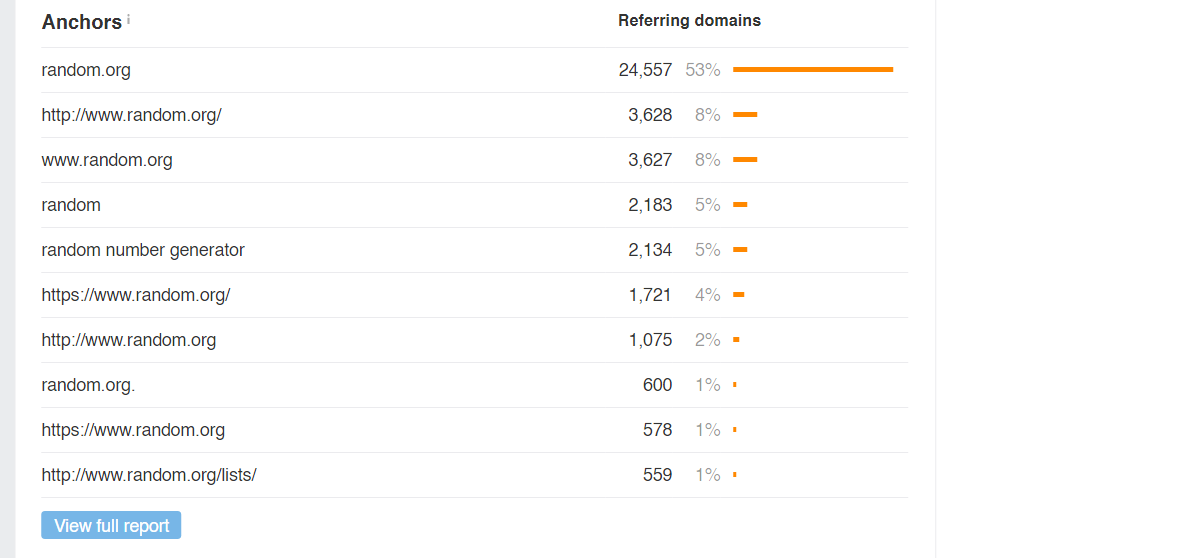
Some common types of anchor texts include:
- Naked URL – this is just a bare link to your website. This kind of anchor text is not descriptive and thus carries less SEO weight.
However, any backlink profile should include a vast number of naked URL backlinks for a natural link profile.
Think about it, most users tend to just share a link without anchor text, so this is something common and expected.
Example: https://crowdo.net
- Generic/ zero anchor text – those are common phrases, such as “read more”, “click here”.
Similarly to naked URLs, these anchors are weaker from an SEO standpoint. However, they are needed to make your link profile look natural.
Example: read more, click here, learn more
- Exact match anchor text – this anchor is composed of your target keywords + your location, and that is the golden mine of your keyword research.
You should definitely aim for this anchor text in your link-building efforts, yet don’t overdo it.
There’s a term called “over optimization”, and that’s exactly why you should diversify your links by including naked urls or zero anchor text.
Example: Plumbing Services San Diego, T-Shirt Retailer in New York City
- Partial match anchor text – this is again your target keywords, but this time without any geographical specifics
Example: Outreach agency, car shipping service
- Branded anchors – this is your brand name or its variations.
Those come in handy, when you want to push the ranking of your brand name (especially if other companies have the same brand name).
Example: Crowdo, Semrush, Ahrefs
- LSI Keywords – those are not your target keywords per se, but rather synonyms or variations of your target keywords. Let’s say your top keyword is “gaming”.
Example: gaming industry, gaming blogs, gaming portals, gaming websites
A natural link profile will have a mix of anchor texts from all of these categories.
Content Surrounding the Link
Ideally, your links should always be surrounded by unique and well-written content, that describes the topic of your point of interest.
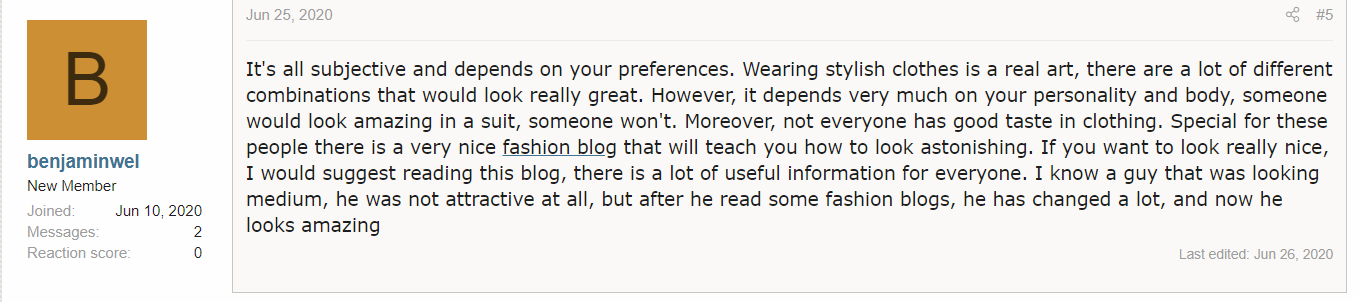
If you’re working on a crowd marketing campaign, try aiming for replies that contain 400 symbols or more.
And if you’re writing an article for guest posting purposes, you should have at least 1000 words.
After you’ve written that content, you should double-check for spelling mistakes via tools like Grammarly or Hemingway.
Lastly, check for plagiarism using Copyscape or again, Grammarly (if you have a premium version).
Keep in mind, that links that aren’t surrounded by any text are basically worthless.
Similarly, don’t use any templates for link-building in multiple places, because duplicate text is a sign of spamming, and that’s not what you should be doing.
The Realm of Referring Domains: What is There to be Judged?
Referring Domains’ Metrics
Goes without saying that a solid backlink profile consists of links coming from trusted websites (read as coming from good referring domains).
There are multiple metrics used to judge the quality of a domain. The most vital are:
- DA/DR
- UR
- TF
- CF
- Spam Score
We’re not elaborating on these metrics in-depth, as this is something that we’ve covered so many times in our blog 🙂
But in case you’re new to these terms, take a look here.
Relevance of Referring Domains/ Pages
Let us stress it one more time: websites or web pages that link to your website should come from the same niche.
If the entire website is niche-relevant – that’s perfect.
However, a particular section of the website might be relevant as well.
With forums, that would be a thread that revolves around a topic, somehow connected to your business.
With blogs, that would be a category that represents your niche.
In other words, aim for relevant referring domains or at least relevant referring pages.
Localion of Referring Domains
Another value-adding bonus is if the referring domain is from the same location as your website. This is particularly important for local SEO.
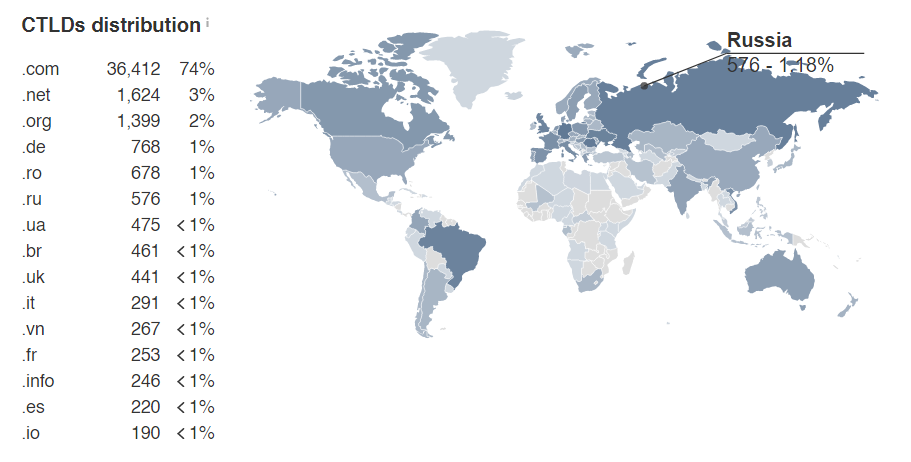
Let’s say you offer a pool cleaning service in Minneapolis,Minnesota.
Having links from some directory in Nicaragua will not do much to increase your rankings in Minnesota.
How about a link from the US website? That’s much better.
And a link from the website based in Minnesota? That’s just perfect.
Quantity of Root Domains
The number of backlinks and the number of referring domains are not the same thing. You may receive a lot of links coming from the same website.
From an SEO viewpoint, however, you should prioritize getting backlinks from different sources.
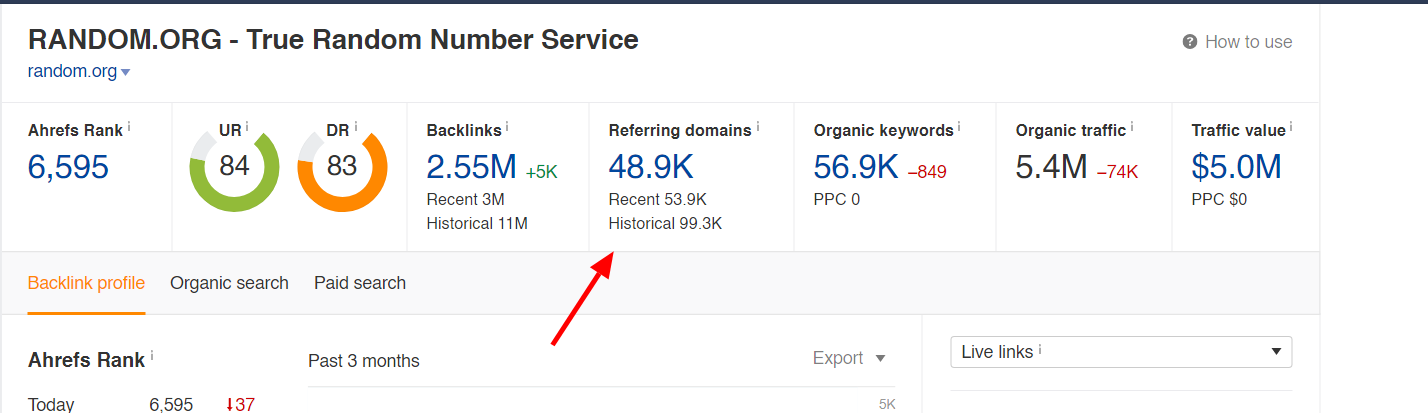
You can check the number of referring domains (e.g root domains) in pretty much any SEO tool these days.
In this case link-building strategy follows the law of diminishing returns.
Let’s illustrate this law with an example of ice-cream.
You buy 1 ice cream cone, and it gives you a large amount of satisfaction.
The second ice cream cone – okay, not so much as the first one, but you still derive some satisfaction.
The third one – you get a minimal amount of satisfaction.
And we can speculate further until you reach the point at which more ice cream cones will in fact bring dissatisfaction.
Funny enough, but this is kind of true for your link-building efforts as well.
The first link you build from a website X adds a lot of value to your SEO.
Second and third links from that same website hold much lower value.
And at some point links coming from the same domain will lose their value entirely and may be considered as link-farming (read as black hat).
Referring Page Depth
Page Depth refers to the amount of clicks needed to reach that specific page.
The more you have to navigate through the website to find a specific page – the greater its depth is.

Thus, your homepage has virtually no depth. However, a blog may have multiple categories, then subcategories, then threads, then something else.
Therefore, deep pages are not that easily discoverable by humans, nor by robots.
In a similar fashion, links from those deep pages are less valuable.
If you’re working out your own link-building game, try not to focus on deep pages too much.
Absence of Toxic Links from Spammy Domains
There are a number of links that can actually drop your ranking and trigger Google to penalize your website. That’s what we call “toxic links”.
Let’s discuss what they look like, how you can find them and how to remove them from your link portfolio.
First of all, toxic links can be either of the following:
- Backlinks from an untrusted/ unreliable source – you can check the TF of the referring domain and if it’s 0 or close to 0, you’re definitely getting a toxic link from that website
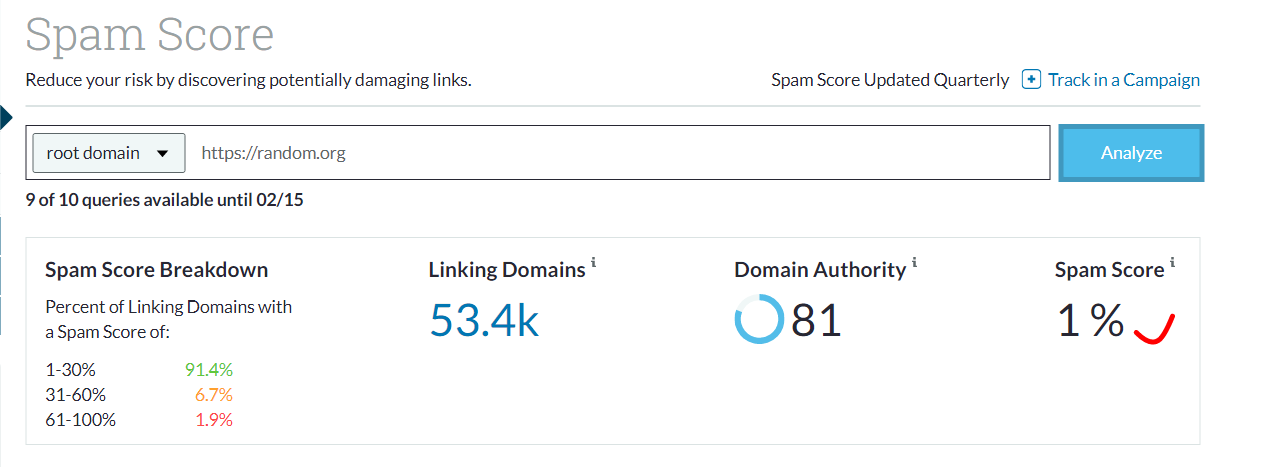
- Backlinks from websites with a high spam score – similar to previous, most SEO tools will give you an estimation of a spam score, and if the website is filled with spam – you don’t want any links from there.
- Links from irrelevant places – this one is pretty simple. If you’re offering a “plumering” service, you probably don’t want links coming from gambling websites.
In other words, ensure that you’re getting links from niche-relevant websites, as irrelevant links coming from a totally different playing field not only don’t contribute to your SEO, but in fact hurt it.
- Backlinks coming from excessive spamming – even these days people try to abuse blog comments for spamming their links (regardless of the blog subject) without adding any value to the discussion.
Even we have to remove a lot of these comments from our own blog. It’s always the same exact message with the same link. Beware, that this is a clear road to a Google Penalty.

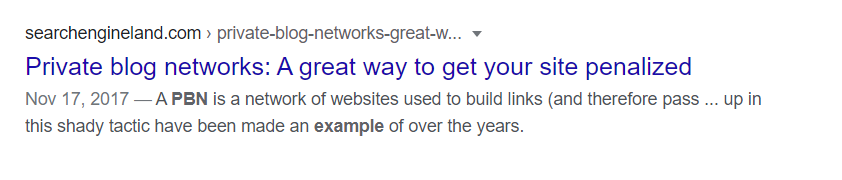
- Backlinks from link-aggregator websites/ link networks – if Google detects that you’re involved in PBN or other link-generating schemes, your website will get punished.
Luckily, it’s quite uncommon to find a link to your website from a PBN source without paying/ negotiating for it, as PBN owners link with a clear commercial intent.
- Hidden links – any link that is hidden from the user on purpose is clearly toxic. It is a well-known black hat practice to hide links (by varying the background color of font size), yet it simply doesn’t work anymore.
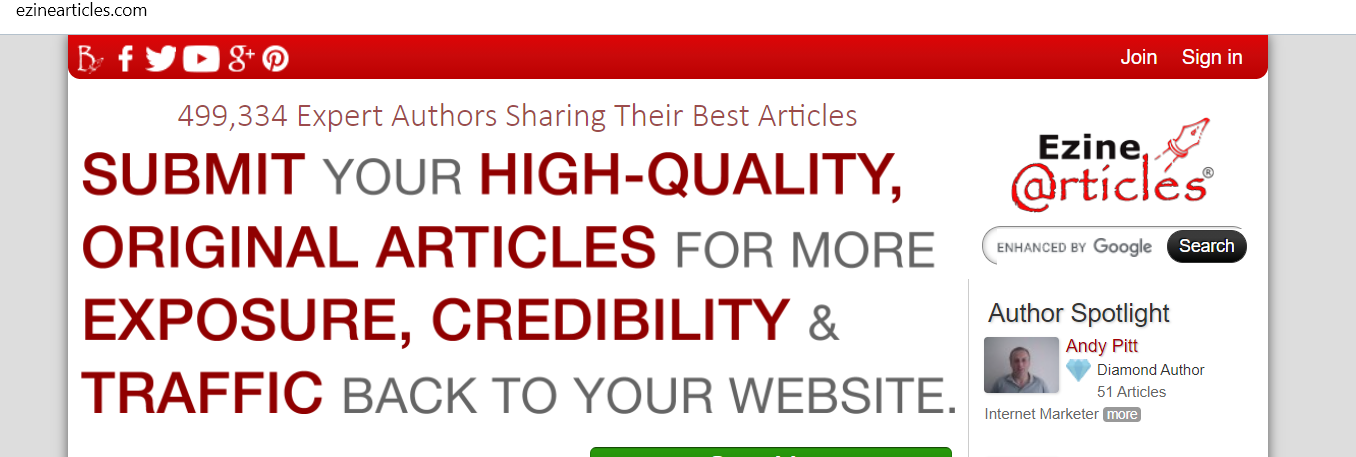
- Backlinks from article directories – back in the days that used to work, and now it doesn’t. Article directories like Ezine are useless for SEO purposes.
In fact, most online directories should be avoided, except for a few trusted ones (like Google My Business or Bing Places, if you’re into local SEO).
Run a backlink analysis using your favorite SEO tool (we recommend Semrush or Ahrefs) and compile a list of toxic links.
Those tools will give you a spam score and TF to be used as a starting point. Some will even display a website niche for an easier overview.
Nonetheless, you should review the backlink report manually and use your own judgement.
After you have a complete spreadsheet of links that you consider toxic – it’s time to remove them. You have 2 choices:
- Contact the website owner – that usually doesn’t work or simply takes too long. Perhaps this might work with blogs, but definitely not with forums or other social platforms.
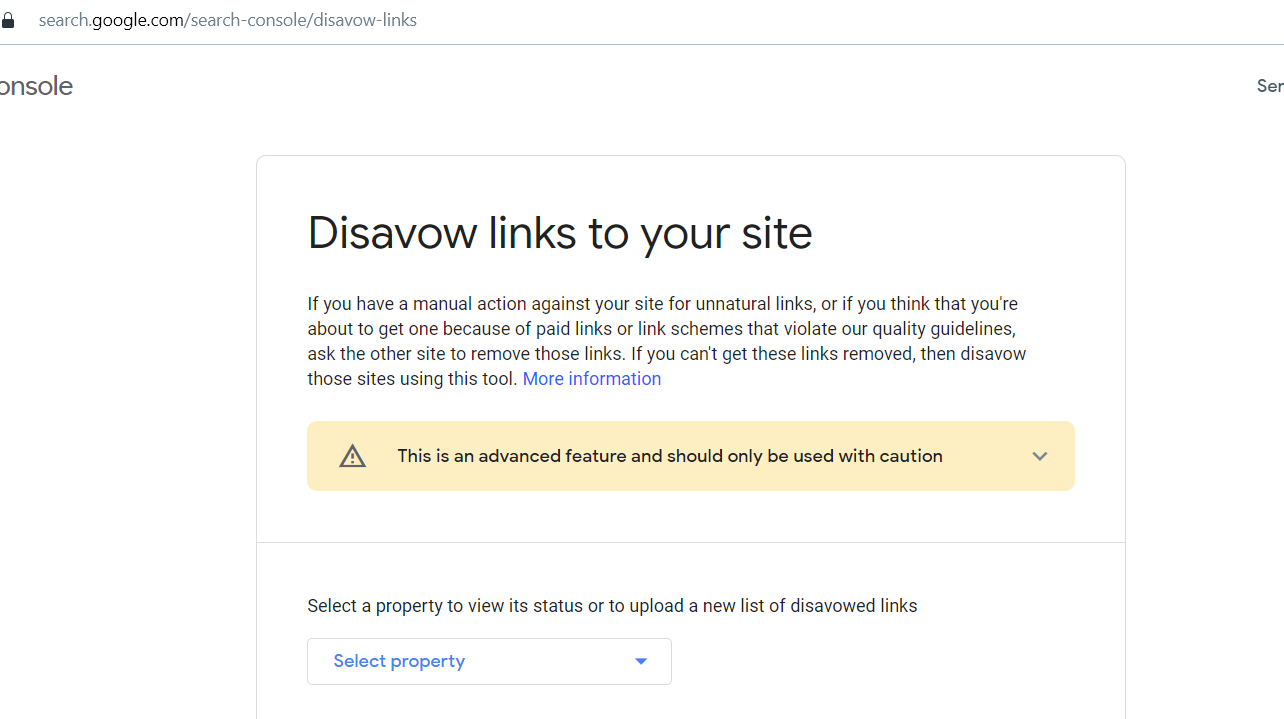
- Submit the list to Google Disavow – this method is your best bet for getting rid of toxic links.
Final Remarks and Honorable Mentions
Social Media Links & Mentions
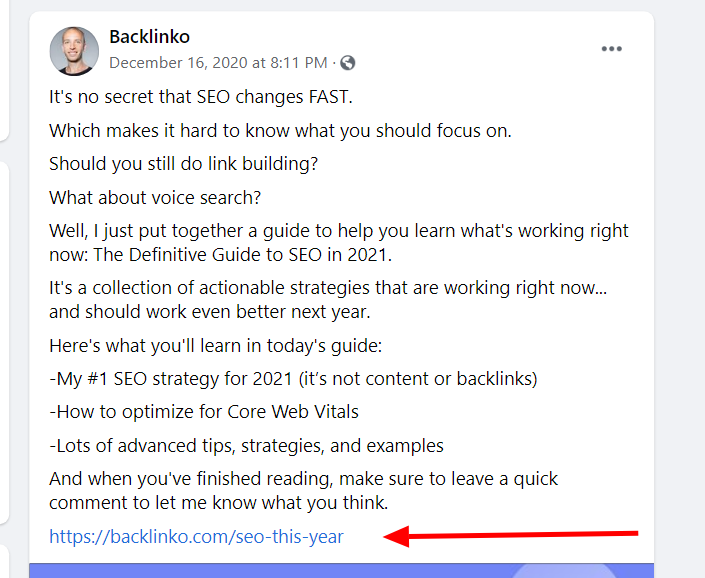
It is well known that links from social media (Twitter, Facebook, LinkedIn) don’t produce any significant SEO gains. But you should still have a handful of social links and mentions.
Here are 3 main reasons why:
- If you offer high-quality content, that resonates well with your audience – you should definitely expect a number of social media links/ mentionings from people. Thus, it makes your backlink profile look natural
- Social signals such as shares or linkless mentions (more on that in a bit) is a great way to show buzz around your content which brings indirect SEO benefits.
- Those links generate traffic, and that’s the reason behind building backlinks in the first place
Text Mentions/ Citations/ Linkless Mentions
This goes slightly outside of the topic, as text mentions, citations or linkless mentions are not actually “links”. Yet we felt like this subject is worth mentioning.
A lot of people underestimate text mentions that you or your brand receive on the web that do not contain a backlink.
Google has explicitly stated that references, citations or linkless mentions of your brand can have a positive impact on your E-A-T, which in turn influences your website’s rankings.
Those mentions are also called “implied links”, and it has been a thing since Google Panda Update.
Long story short, if trustworthy sources mention you even without linking back to your website – it’s definitely a good thing for SEO, and you shouldn’t underestimate it.
Conclusion
Every year (or every Google Update) it becomes more and more challenging to build a sustainable backlink strategy.
Yet there are a few trusted backlink providers like Crowdo who can help you refine and develop your backlink profile.
FAQ
What kind of links should I build to keep my link profile natural, yet effective?
You should aim to build different kinds of backlinks. We covered some strategies in this article.
How often should I audit my backlink profile?
That depends on the scope of your website, but doing a backlink audit once a month seems like a good benchmark.
Is there any winning formula to build up a perfect link profile?
There is not, it depends on a lot of factors.
How frequently should I use Google Disavow to remove toxic links?
We really don’t recommend you to use it more often than once every 3 months. Otherwise it will look suspicious to Google and they can simply discredit all the ranking weight from your link profile. Remember, that Google doesn’t want you to use the Disavow tool frequently.
I have a hard time figuring this stuff out… Can you guys help?
For sure! We offer an SEO audit service, and complete investigation of your link profile is included in every package